If you're reading this right now
You've got appointments with several different professionals. or you've been told you need to. and you're not sure who does what or why you need so many people involved. Or maybe you want to build a rehabilitation team but don't know where to start. This guide explains who each professional is, what they do, and how they work together.
---
What this guide covers
- The core members of a neurological rehabilitation team
- What each person focuses on and what a session with them looks like
- How a good team works together
- How to build a team even if you're accessing services one at a time
---
The neurological physiotherapist
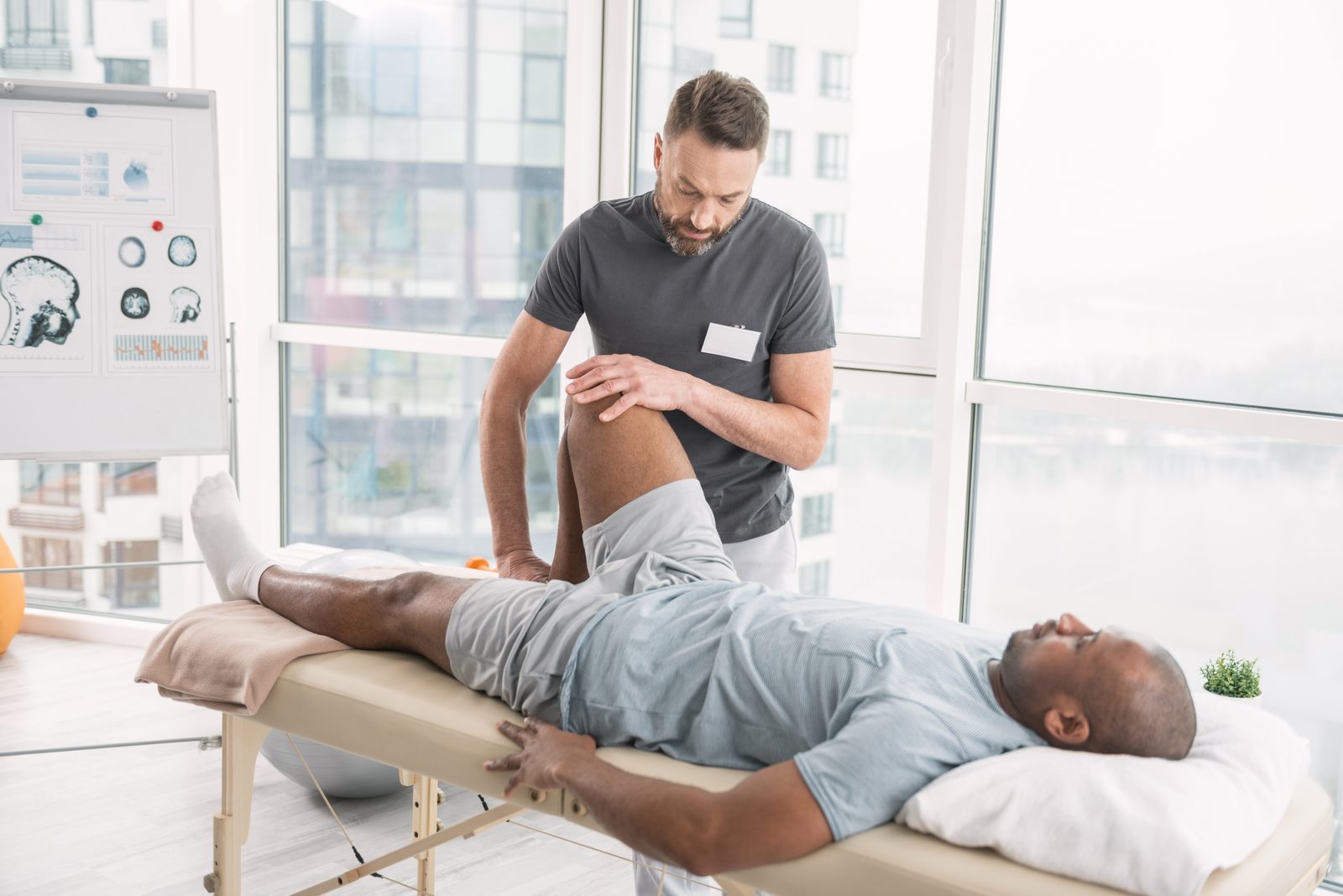
The physiotherapist is often the first person involved in neurological rehabilitation. Their focus is your body's movement. walking, balance, coordination, strength, and pain. They assess how your nervous system and musculoskeletal system are working together and develop a treatment plan to improve function, prevent deterioration, and help you do the physical things that matter to you.
A session typically involves a combination of hands-on therapy, guided movement exercises, and advice on what to practise between sessions. A good neurological physiotherapist will understand your specific condition, not just general physiotherapy principles.
The occupational therapist (OT)

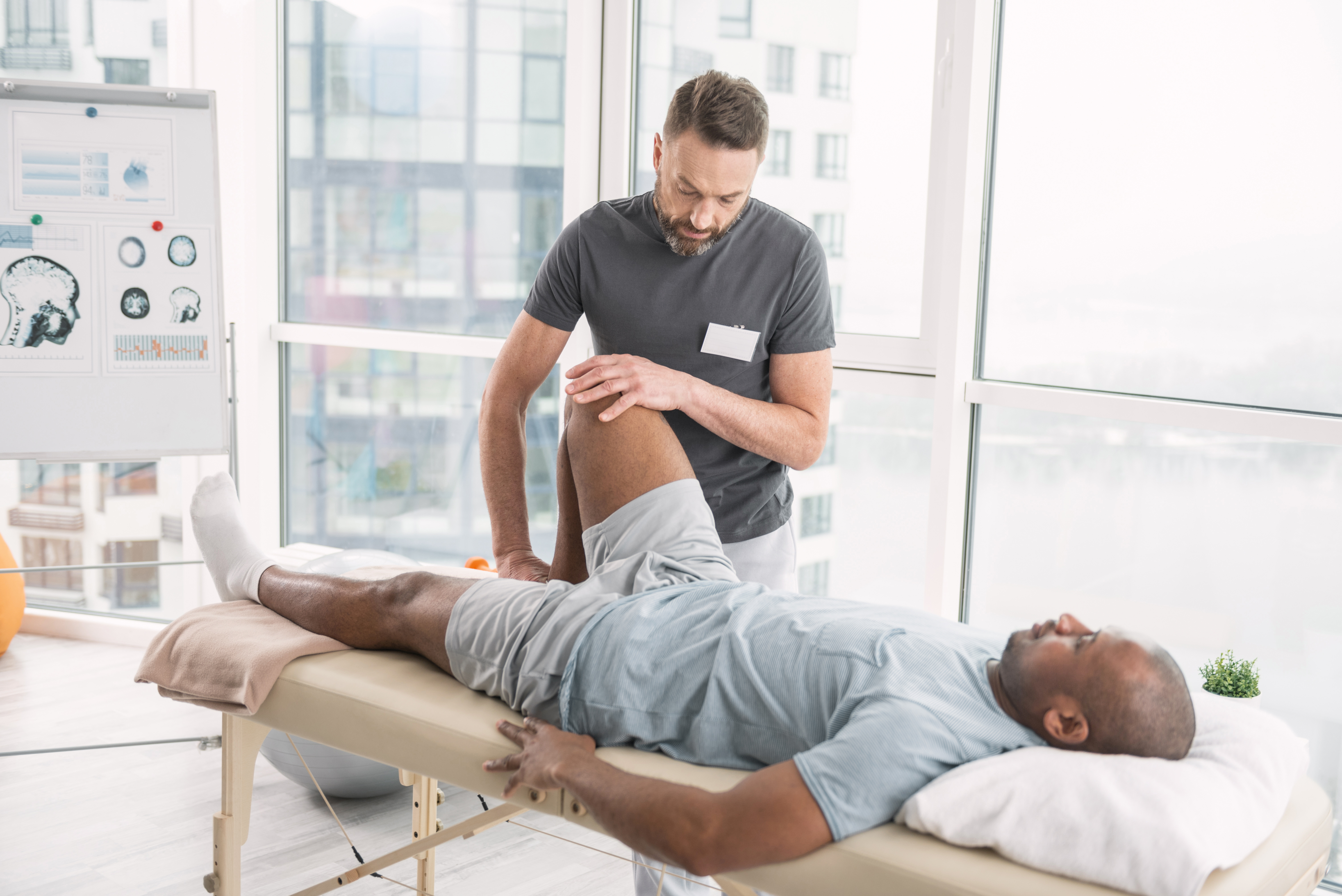
Where the physiotherapist focuses on the body's movement, the occupational therapist focuses on daily life. the activities and tasks that make up your day. This might include getting dressed, preparing meals, returning to work or education, driving, managing fatigue, or adapting your home for safety and independence.
OTs are practical problem-solvers. They observe what you can and can't do, identify barriers, and work with you on solutions. whether that's retraining a skill, finding an alternative way to do something, or recommending equipment or home adaptations.
The speech and language therapist (SLT)
Despite the name, speech and language therapists don't just work on speech. They address communication in its broadest sense. speaking, understanding language, reading, writing, and using technology to communicate. They also assess and treat swallowing difficulties (dysphagia), which are common after stroke, brain injury, and in progressive neurological conditions.
If you are having any difficulties with communication or swallowing, a speech and language therapist should be part of your team.
The NeuroMassage therapist
NeuroMassage therapists work specifically with people who have neurological conditions, using skilled therapeutic massage to support muscle tone, manage pain, improve circulation, and promote relaxation. This is not general massage. it is specialist work requiring knowledge of neurological conditions and their effects on the body.
Many people find that regular NeuroMassage is one of the most practically helpful and personally meaningful parts of their rehabilitation programme. Touch-based therapy provides benefits that no other intervention does. for the nervous system and for the whole person.
The neuropsychologist
The neuropsychologist works with the brain's higher functions. memory, concentration, problem-solving, emotional regulation, and psychological wellbeing. They can assess cognitive difficulties formally, help develop compensatory strategies, and provide psychological support for adjusting to a neurological condition.
Neuropsychologists are particularly important in acquired brain injury rehabilitation, but they are valuable for anyone living with cognitive changes or significant emotional difficulties following a neurological diagnosis.
The fatigue specialist
Neurological fatigue is not the same as ordinary tiredness, and it does not respond to ordinary tiredness solutions. A fatigue specialist. usually an OT or physiotherapist with specialist training. works with you on understanding your fatigue patterns, pacing your activity across the day, and protecting energy for what matters most.
This work is undervalued but often transformative. Many people find that getting proper fatigue management support changes their daily functioning more than almost anything else.
The exercise physiologist
Exercise physiologists design and supervise exercise programmes for people with health conditions. For neurological conditions, exercise has a strong evidence base for maintaining physical function, cardiovascular health, mental wellbeing, and in some cases slowing disease progression. An exercise physiologist with neurological experience can tailor a programme to your specific situation and monitor your response carefully.
---
How a good team works together
In an ideal world, your rehabilitation professionals communicate with each other, share goals, and build a coherent plan around your priorities. In practice, this doesn't always happen automatically. you may need to facilitate it.
Some practical ways to encourage team working:
- Tell each professional who else is involved in your care
- Ask each person to write a brief summary that you can share with the others
- Ask your GP to act as a coordinator if you need a clinical overview
If you have access to a key worker, case manager, or support coordinator, they can be invaluable in pulling the team together.
---
Building a team one step at a time
You don't have to have all of these professionals at once. Most people start with one. usually a physiotherapist or occupational therapist. and add others as needs become clear. The important thing is to start somewhere, make sure that professional has experience with your specific condition, and use them as a source of onward referral and advice.
---
What to do right now
1. Identify your top priority. what is most affecting your daily life right now? Start with the professional who addresses that. 2. Ask your GP for referrals to the relevant professionals 3. Search our directory to find verified practitioners in your area, filterable by profession and condition 4. Tell each professional who else is involved in your care so they can work in a coordinated way 5. Ask each practitioner to recommend who else might be helpful. they often know the local landscape well
---
You don't have to figure this out alone
A good rehabilitation team changes lives. Our directory is here to help you find the right people. one step at a time.
---
[BUTTON] Find support near you → [directory search]
---
*This page provides general information only. It is not medical advice. Always speak with a qualified healthcare professional about your individual situation.*
Looking for specialist support?
Browse our directory of verified rehabilitation professionals across the UK.
Search the Directory