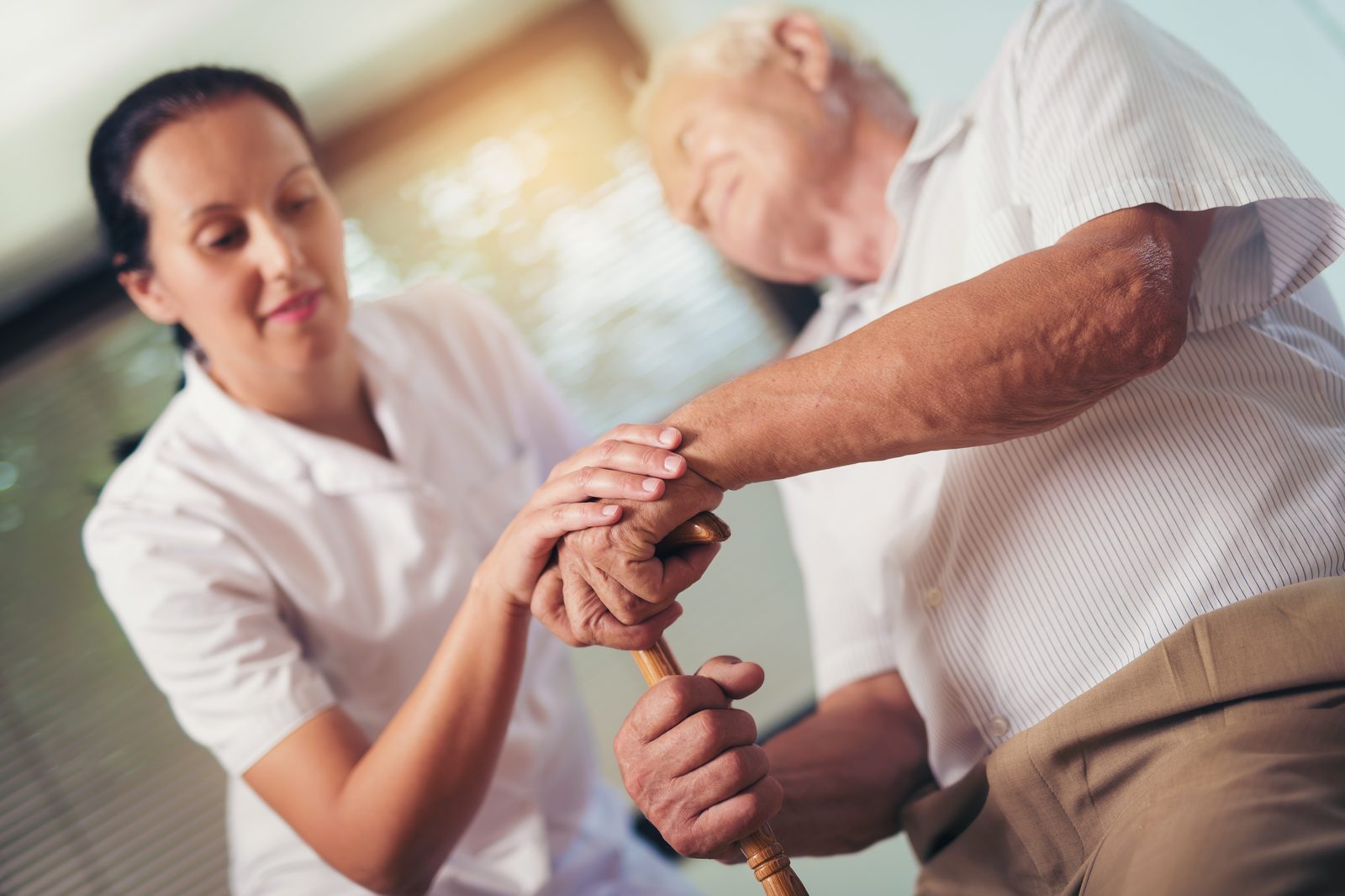
If you're reading this right now
Someone you love has had a stroke. You may have gone from being a partner, parent, child, or friend to a carer almost overnight. with no training, no warning, and no map. You are probably exhausted, frightened, and trying to hold everything together while also trying to understand a condition you knew almost nothing about a few weeks ago. This guide is for you.
---
What this guide covers
- Understanding stroke and what the recovery journey looks like
- What your role as a carer involves. and what it doesn't have to
- How to find and access rehabilitation services for the person you care for
- Support that exists specifically for carers
- How to look after yourself through this
---
Understanding stroke recovery
Stroke affects the brain, and because the brain controls everything. movement, speech, memory, emotion, personality. stroke can change many things at once. Recovery is real and often substantial, but it is not linear. There will be good days and harder days. The person you care for may be different in some ways from before, and adjusting to that takes time for both of you.
The single most important thing you can do to support recovery is to help them access good, consistent rehabilitation. Regular physiotherapy, occupational therapy, speech therapy, and other specialist support make a real difference to long-term outcomes. Your role in organising, encouraging, and facilitating that is significant. and it matters.
---
What your role as a carer involves
Being a carer for someone after stroke can mean many different things: managing medications and appointments, providing physical assistance with daily tasks, offering emotional support, advocating in medical settings, and holding the household together. It is a huge amount.
What being a carer doesn't have to mean: doing everything alone. There is support available. for the person you care for and for you. Using it is not a sign of failure. It is how sustainable caring works.
---
Accessing rehabilitation services
NHS services are the starting point. Before the person you care for was discharged from hospital, a discharge summary should have been sent to their GP and referrals should have been made to community services. If this hasn't happened or hasn't been followed up, contact their GP.
Ask specifically about:
- Community neurological physiotherapy
- Occupational therapy for home adaptations and daily function
- Speech and language therapy if communication or swallowing is affected
- The Stroke Association. their local coordinators can be invaluable in navigating what is available
Private rehabilitation can supplement NHS services significantly. If the person you care for is waiting a long time for NHS therapy or wants more frequent sessions than the NHS can offer, private neurological therapists can help. Our directory lists verified practitioners searchable by condition, profession, location, and home visit availability.
---
Support specifically for carers

You matter too. Carers are often so focused on the person they are supporting that they neglect their own health, wellbeing, and needs. Here is what is available:
Carer's assessment. as a carer, you are entitled to a free carer's assessment from your local council. This assesses what support you need to continue caring and can lead to practical help such as respite care, financial support, or equipment. Contact your local authority to request one.
Carers UK (carersuk.org / helpline 0808 808 7777). information, advice, and peer support for carers across the UK.
The Stroke Association. as well as supporting people affected by stroke, they support carers and families. Local stroke support coordinators can help you understand what is available in your area.
GP. your GP can refer you for counselling, support, or any health concerns of your own. Tell them you are a carer. They can add this to your record and it should prompt additional support.
---
Looking after yourself
This is not a luxury item. It is a necessity. Carer burnout is real, and it doesn't just harm you. it reduces your ability to care for the person you love.
Some practical things that can help: accepting help when it is offered, building in regular time for yourself, staying connected with friends outside of the caring role, telling your GP that you are a carer, and reaching out to carer support organisations before you reach crisis point. not after.
---
What to do right now
1. Contact the GP for the person you care for. confirm rehabilitation referrals are in place and follow up on anything that hasn't been received 2. Contact your own GP. register yourself as a carer and flag any concerns about your own health and wellbeing 3. Request a carer's assessment from your local council. it's free and you are entitled to it 4. Contact the Stroke Association. their local coordinator can help you understand what support is available in your area (0303 3033 100) 5. Search our directory for rehabilitation professionals who offer home visits or are accessible for the person you are supporting
---
You don't have to figure this out alone
Caring for someone after a stroke is one of the most demanding things a person can do. The fact that you are here, looking for information and support, already says something important about how much you care. You don't have to carry this alone. Help exists. for the person you love, and for you.
---
[BUTTON] Find support near you → [directory search]
---
*This page provides general information only. It is not medical advice. Always speak with a qualified healthcare professional about your individual situation.*
Looking for specialist support?
Browse our directory of verified rehabilitation professionals across the UK.
Search the Directory