What is chronic pain?
Chronic pain is pain that persists for three months or longer. beyond the time you would normally expect an injury or illness to heal. It is one of the most common and most misunderstood health conditions, affecting around 28 million adults in the UK. more than one in three people. Chronic pain is not simply acute pain that has gone on for a long time. It involves genuine changes in how the nervous system processes and amplifies pain signals, which is why it often doesn't respond to the treatments that work for short-term pain.
Chronic pain can develop from an identifiable cause. such as a nerve injury, arthritis, or a neurological condition. or it can occur without a clear physical cause that shows up on scans or tests. This doesn't mean the pain is imagined or exaggerated. Chronic pain is always real, and it always has a significant impact on the person experiencing it. Understanding this is the first step towards finding support that actually helps.
---
How does chronic pain affect daily life?
Chronic pain doesn't just cause physical discomfort. it affects every aspect of life:
- Sleep. pain disrupts sleep, and poor sleep amplifies pain, creating a difficult cycle that can be hard to break
- Mood and mental health. living with persistent pain increases the risk of depression and anxiety significantly; these are understandable responses to a relentless experience, not signs of weakness
- Activity and mobility. pain often leads people to avoid movement, which can cause deconditioning and make pain worse over time
- Work and social life. relationships, employment, hobbies, and social activities are all affected by pain that doesn't go away
- Fatigue. living with chronic pain is exhausting; the constant effort of managing pain and the sleep disruption it causes leads to profound, persistent fatigue
- Sense of identity. chronic pain can profoundly affect how a person sees themselves and their place in the world, which is why psychological support is an important part of pain management
---
What kinds of support can help?

Chronic pain is best managed with a multidisciplinary approach. No single treatment works for everyone, and finding the right combination often takes time:
- Neurological physiotherapist. uses graded exercise and movement therapy to gently rebuild activity and address the fear of movement that often accompanies chronic pain
- Occupational therapist. helps with pacing, activity management, returning to meaningful activities, and adapting work and home environments
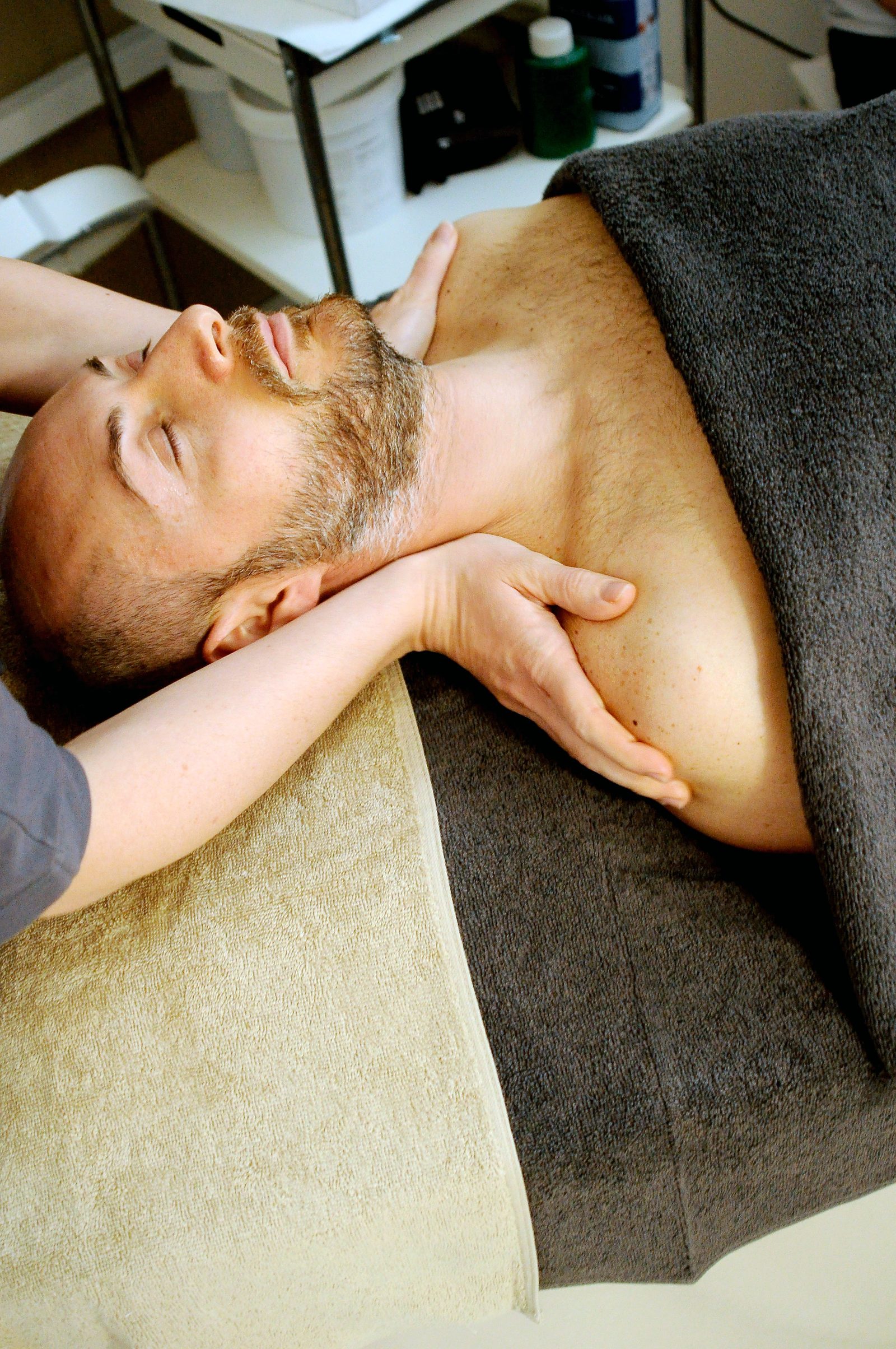
- NeuroMassage therapist. can provide pain relief, help reduce muscle tension that contributes to pain, and support the nervous system's regulation, which is often dysregulated in chronic pain
- Fatigue specialist. addresses the fatigue that accompanies chronic pain through pacing and energy management strategies
- Neuropsychologist. offers cognitive behavioural therapy (CBT), acceptance and commitment therapy (ACT), and other evidence-based approaches for living with chronic pain; addressing the psychological aspects of pain is not optional. it is essential
- Exercise physiologist. develops a carefully graded exercise programme that doesn't flare pain but gradually increases fitness and reduces sensitivity
---
What does recovery look like?

Recovery from chronic pain looks different from recovery from an acute injury. The goal is not necessarily to become pain-free. though some people do achieve this. but to significantly reduce pain's impact on your life. This means improving sleep, increasing activity, restoring meaningful relationships and work, and developing a different relationship with pain. one where it no longer dominates everything.
Many people experience very significant improvement in their quality of life through the right combination of therapies, support, and self-management strategies. This takes time and usually involves some difficult work. particularly the psychological aspects. But people do get better. Pain levels reduce. Life gets bigger again.
---
Finding support in the UK
NHS chronic pain services include community pain clinics, pain management programmes (usually group-based cognitive and physical rehabilitation), and specialist pain management centres at larger hospital trusts. Your GP is the starting point. Waiting times for NHS pain services are often long, and the provision varies significantly by area.
Private practitioners. including physiotherapists, occupational therapists, psychologists, and massage therapists with experience in chronic pain. are available across the UK. Look for those who take a biopsychosocial approach and who understand pain neuroscience. Pain UK and the British Pain Society have resources to help you find appropriate support.
---
Useful organisations in the UK
- Pain UK. painuk.org. alliance of pain organisations with resources and information
- British Pain Society. britishpainsociety.org. professional and public resources on chronic pain management
- Action on Pain. action-on-pain.co.uk. support and helpline for people living with chronic pain
- NHS Chronic pain information. nhs.uk/conditions/chronic-pain
- flippin' pain. flippinpain.co.uk. public campaign to change how people understand and manage chronic pain
---
Questions to ask your practitioner
1. Do you have experience with chronic pain specifically. not just acute injuries? 2. Do you understand pain neuroscience and take a biopsychosocial approach? 3. How do you work with the fear of movement that often accompanies chronic pain? 4. Do you offer graded exposure or graded activity. and how will you ensure it doesn't cause flares? 5. How do you work alongside other members of a pain management team, such as psychologists? 6. What does a realistic timeline for improvement look like in my situation? 7. Are telehealth sessions available on days when I'm having a difficult pain day?
---
[BUTTON] Find chronic pain specialists near me → [links to filtered directory search]
---
*This page provides general information only. It is not medical advice. Always speak with a qualified healthcare professional about your individual situation.*
Looking for specialist support?
Browse our directory of verified rehabilitation professionals across the UK.
Search the Directory